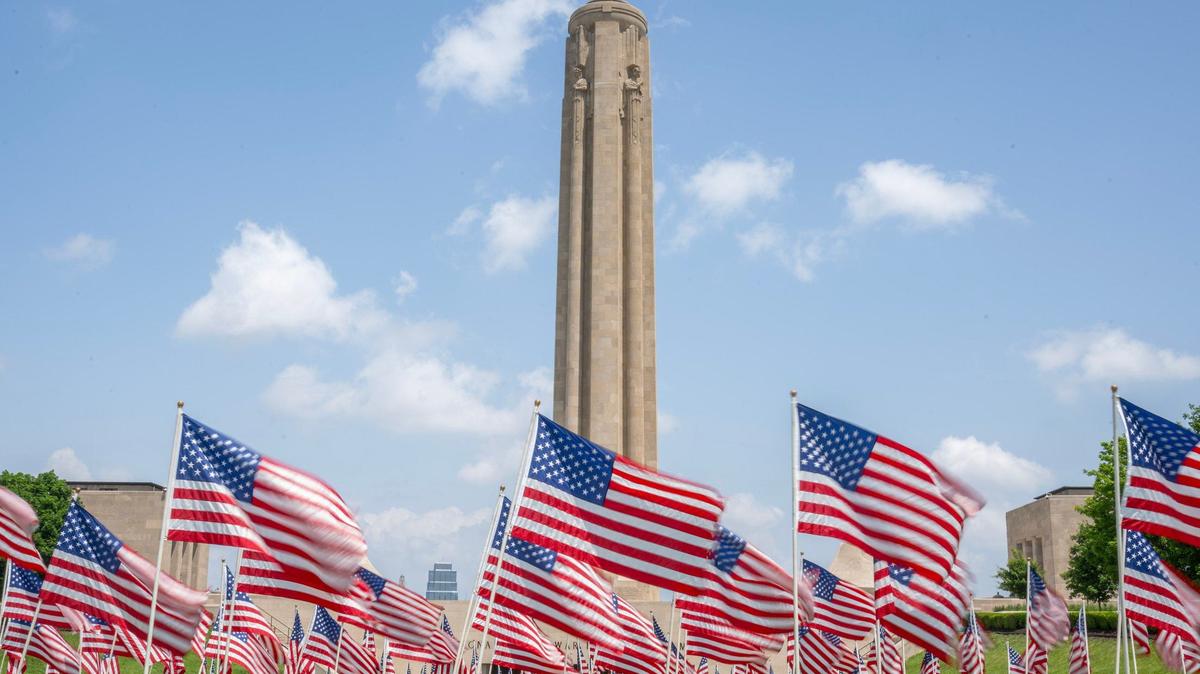
A different path for veterans in trouble
Veterans Court in Kansas City, Missouri gives veterans a second chance. It focuses on healing, not just punishment. Many veterans face stress after service. Some deal with trauma, addiction, or unstable housing. Regular courts may not address those root issues. Veterans Court tries a different path. It brings structure, support, and treatment together. You know what? Many people don’t realize courts can act like support systems too. This one does. It connects veterans with treatment programs, counseling, and close supervision. The goal is simple. Help people rebuild life step by step.
So, what is Veterans Court?
Veterans Court is a special program inside the justice system. It focuses only on military veterans who face legal trouble. Instead of jail time alone, the court uses treatment and monitoring. It often includes therapy, drug treatment, and group support. The judge works with a team. That team may include case managers, counselors, and veteran mentors. Each person gets a plan. That plan depends on their needs and past service history. Some cases involve substance use. Others involve mental health struggles or both. Here’s the thing. The court treats these issues as health problems too, not just crimes.
How the process works in Kansas City
The process starts after a veteran enters the court system. Not everyone qualifies right away. First comes screening. The court checks military service records and current charges. If approved, the veteran enters a structured program. That program can last months or even longer. Meetings happen often. Sometimes weekly. Sometimes more. There are rules. Missed appointments can lead to penalties. But support is always part of the process. Treatment may include:
- Counseling sessions
- Substance use treatment
- Job support programs
- Regular court check-ins
Progress is tracked closely. Small wins matter a lot here. Honestly, it feels more like guided rebuilding than punishment.
Connection with Kansas City Specialty Courts
Veterans Court is part of a bigger system called specialty courts. These courts handle different life challenges. Kansas City Specialty Courts supports programs like Veterans Court, Drug Court, and Mental Health Court. Each one focuses on treatment-based justice. Not just case closures. This system brings judges, counselors, and community groups together. They share one goal. Help people avoid repeat offenses. Veterans Court fits into this structure naturally. It uses shared tools, shared support, and shared care plans. That teamwork matters. It keeps people from falling through cracks.
Where Beyond the Bench KC fits in
Community support plays a big role here. One group involved is Beyond the Bench KC. Beyond the Bench KC supports awareness around specialty courts. It also helps connect people to resources. The group believes justice should look at root causes. Not just surface behavior. Many veterans struggle quietly after service. Some feel lost or disconnected. Support groups like this help bring them back into community life. They don’t replace the court. They support it. Sometimes that means educational events. Other times it means outreach or support networks. It’s simple but powerful. People help people stay on track.
Why Veterans Court matters
This court changes outcomes. It reduces repeat offenses for many participants. But the bigger change is personal. Veterans often rebuild routines. They reconnect with family. They regain trust. It is not always smooth. Some days are hard. Some setbacks happen. Still, the structure keeps people moving forward. There is accountability, but also understanding. That mix is rare in traditional systems.
Who can apply and basic steps
Not every veteran qualifies. The court has clear rules. Usually, eligibility depends on:
- Military service history
- Type of criminal charge
- Willingness to join treatment
- No certain violent exclusions
The process starts through legal referral. A defense lawyer or court officer often guides it. After review, the team decides on acceptance. If accepted, the veteran signs up for the program. Then the structured plan begins. It’s a commitment. But also a chance to reset direction.
FAQs
- What is Veterans Court in Kansas City, Missouri?
Veterans Court is a special court program for military veterans. It focuses on treatment instead of jail. The program supports people dealing with trauma, addiction, or mental health struggles. It uses counseling, supervision, and structured goals to help veterans rebuild stability while staying accountable to the law.
- Who qualifies for Veterans Court?
Eligibility depends on military service, current charges, and willingness to join treatment. Not all cases qualify. People with certain violent offenses may not be accepted. The court reviews each case carefully. A legal referral usually starts the process before final approval is made by the court team.
- How long does the program last?
The length varies by person. Some complete it in several months. Others may take a year or more. Progress depends on treatment success and rule compliance. The court adjusts timelines based on behavior, attendance, and improvement. Each plan moves at a pace that matches the participant’s needs.
- What support does Beyond the Bench KC provide?
Beyond the Bench KC supports awareness and community education around specialty courts. It helps connect people with resources and understanding. The group promotes the idea that justice should address root causes. It works alongside programs like Veterans Court but does not replace legal or medical services.
- What makes Veterans Court different from regular court?
Veterans Court focuses on treatment and recovery. Regular courts focus more on punishment and sentencing. This program includes therapy, supervision, and support systems. It works with Kansas City Specialty Courts to guide participants toward long-term stability and reduced repeat offenses.