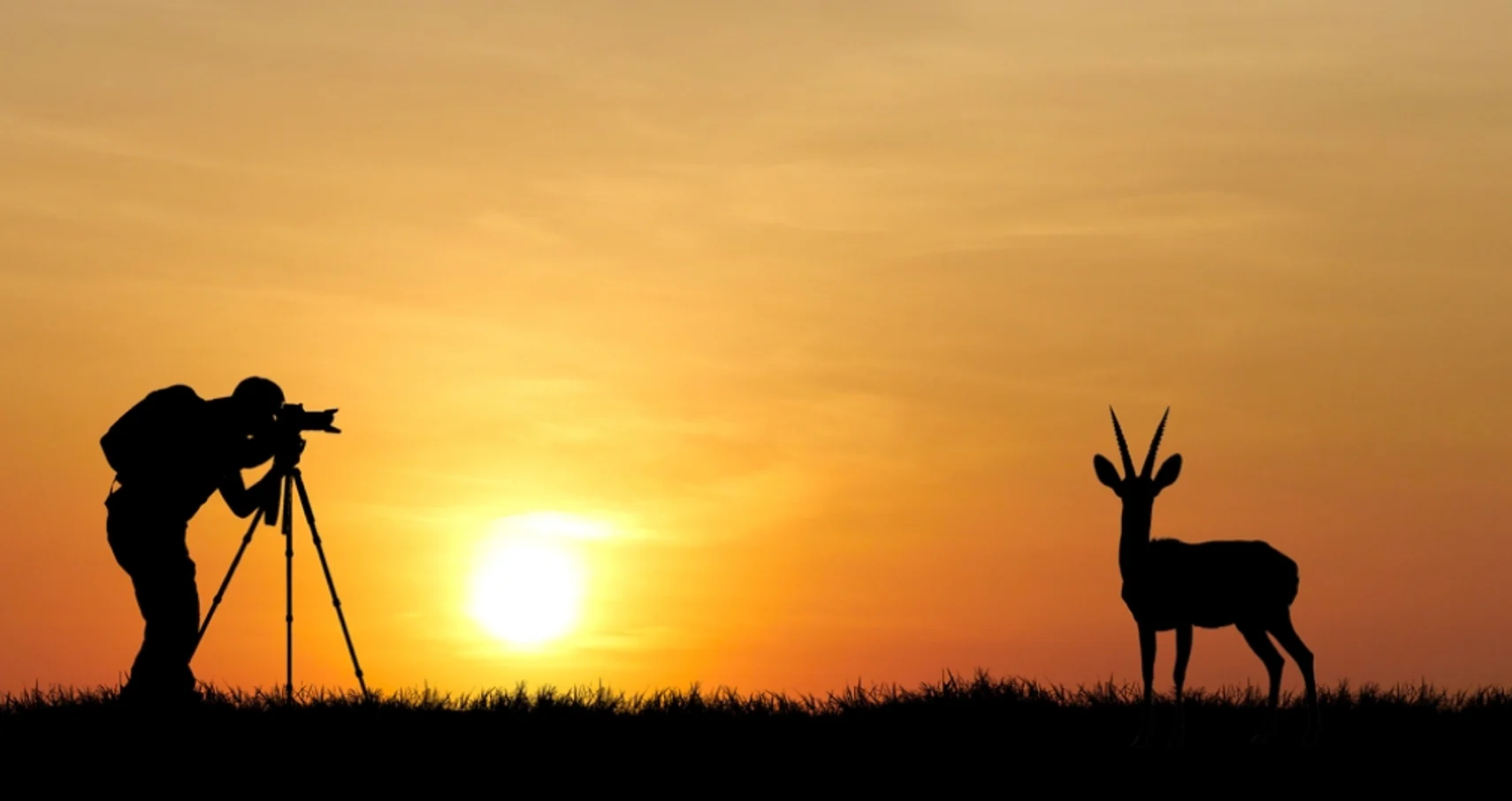
Australia is a theatre of the bizarre and the beautiful, a continent where evolution took a distinctively different path.
From the ancient, emerald canopies of the Daintree Rainforest to the sun-scorched expanse of the Simpson Desert, the landscape serves as a living gallery of unique biodiversity. For those standing behind a lens, these environments offer more than just a photo opportunity; they provide a complex narrative of survival, adaptation, and raw natural beauty.
However, capturing the essence of a bounding Red Kangaroo or the prehistoric gaze of a Saltwater Crocodile requires more than just a high shutter speed. It demands a sophisticated understanding of ecology, ethics, and narrative—skills that are increasingly honed within a professional content creator course.
The transition from a casual observer to a professional storyteller is a journey of refinement. In the digital age, the role of a photographer has shifted significantly. We are no longer merely “taking pictures”; we are building immersive experiences for a global audience. This evolution has led many aspiring professionals to seek out a specialised wildlife photography course that bridges the gap between technical proficiency and artistic vision. By immersing oneself in the rigours of such a program, an individual transforms from a hobbyist into a visual advocate for the natural world.
The Biological Blueprint
To truly excel in this field, one must first recognise the unique pressures facing the subjects they wish to document. According to the Department of Climate Change, Energy, the Environment and Water (DCCEEW), Australia has suffered a significant decline in biodiversity over the last two centuries. This reality adds a layer of responsibility to the craft. When you are out in the field, you aren’t just a visitor; you are a witness to an ecosystem that is often in a delicate state of flux. Understanding the legislation that protects these species, such as the Environment Protection and Biodiversity Conservation Act 1999, is a fundamental component of any reputable content creator course.
Photography in the Australian wild is as much about patience as it is about optics. It involves specialising in the “wait”—that silent, breathless period between arriving at a location and the moment a creature reveals its true nature. This is where the technical lessons of a content creator course become second nature. You learn to prioritise the welfare of the animal over the “perfect” shot, realising that a stressed subject never produces an authentic image.
Ethical Stewardship in the Field
The ethics of wildlife engagement are often the first thing to be compromised in the pursuit of “viral” content.
However, true professionals operate under a strict code of conduct. This involves maintaining a respectful distance, avoiding the use of lures or baits, and ensuring that the presence of a camera does not alter the natural behaviour of the subject.
These principles are echoed by Parks Australia, which emphasises the importance of minimal-impact visitation to protect our national heritage.
In a structured educational environment, these ethical considerations are not just footnotes; they are the foundation. Students are taught to anticipate animal behaviour by studying the environment, rather than forcing an encounter.
This ecological literacy allows a photographer to find the “story” in the mundane—the way a honeyeater interacts with a specific Banksia, or the subtle shift in a monitor lizard’s posture when it senses a predator.
The Professional Edge: Why Training Matters
The modern media landscape is crowded, and standing out requires a level of polish that self-teaching rarely achieves. A comprehensive content creator course provides the mentorship needed to find a unique visual voice. It isn’t just about learning how to use a camera; it is about learning how to see.
This includes mastering post-processing techniques that enhance a RAW file without distorting the reality of the scene, as well as understanding the business side of the industry—from licensing to social media strategy.
When considering a professional path, there are several key areas where formal training provides a distinct advantage:
- Behavioural Anticipation: Learning to read the subtle cues of Australian fauna allows for “pre-focusing” on moments that haven’t happened yet.
- Environmental Adaptation: Mastering the use of natural light in harsh Australian conditions, from the “golden hour” in the outback to the filtered light of a rainforest floor.
- Technological Mastery: Going beyond basic settings to understand the complex autofocus systems and burst modes of modern mirrorless cameras.
- Narrative Structuring: Building a portfolio that tells a cohesive story of a specific species or habitat, rather than just a collection of disparate “trophy” shots.
- Conservation Advocacy: Understanding how to use imagery to support environmental causes and influence public perception regarding threatened species.
- Field Safety: Navigating the practical dangers of the Australian bush, from heat exhaustion to managing encounters with venomous wildlife.
The Impact of Visual Storytelling
Beyond the technicalities, there is a profound emotional resonance in wildlife imagery. A powerful photograph can serve as a catalyst for conservation. It can make a remote, endangered species feel “real” to someone living thousands of kilometres away.
This is the heart of what a wildlife photography course aims to instil: the ability to move people through pixels and print.
As you refine your craft, you realise that the most mesmerising shots are often those that show the animal within its wider context.
This “environmental portraiture” requires a different set of skills—balancing a sharp subject with a meaningful background that tells us where they live and why that place matters. It is a sophisticated dance of composition and depth of field that is a core focus of any high-level content creator course.
Conclusion
The journey into the wild is one of perpetual learning. Whether you are crouched in the mud of a mangrove swamp or trekking across a ridgeline in the Australian Alps, the goal remains the same: to capture a fragment of the earth’s magic with integrity and skill.
By investing in a structured wildlife photography course, you are not just buying lessons; you are joining a lineage of observers who have dedicated their lives to documenting the pulse of the planet.
In the end, the images we create are a legacy.
They are the records of what we saw, what we valued, and what we fought to protect. For those ready to take their passion to the next level, the right education is the first step toward a career that is as rewarding as it is challenging.
Professional Wildlife Photography Techniques
This video provides an excellent behind-the-scenes look at the logistical and technical challenges of professional wildlife shoots, offering practical insights that complement formal study.